ALEXA CAPITAL THOUGHTS
Decarbonising Hard-to-Abate Sectors
The Urgency of Action & Funding
Decarbonising Hard-to-Abate Sectors: The Urgency of Action & Funding
Decarbonising industries such as steel, cement, and heavy manufacturing is a monumental challenge. These sectors are responsible for around 39% of global emissions and 25% of Europe’s industrial emissions, many rely on fossil fuel-intensive processes, and need to remain competitive. The marine sector, often overlooked, is another key segment accounting for 3% of global emissions growing to 17% by 2050 on the current trajectory. With Europe committed to net-zero by 2050, these industries must undergo radical transformation. The chart below highlights the relative impact of these sectors, underscoring the need for innovation and investment to drive meaningful change.

High regional energy prices are exacerbating the decarbonisation challenge. Europe needs to innovate faster to compete, as power prices are significantly more expensive than in the US, China, and India—by as much as 2x.

Energy costs include charges for substantial required grid investments and charges for historical new generation subsidies which comprise up to 2/3 of customers’ bills across Europe. These costs are compounded by future subsidy commitments for large scale energy projects – whether conventional or new nuclear, offshore wind or other less commercialised new technologies. In an increasingly competitive global economy, with rising tariff tensions, focus has shifted towards ensuring lower costs and greater energy security, often overshadowing the decarbonisation agenda.
Customer pressure to focus on lower costs (and high security) has become a more prominent aspect of the energy trilemma vs decarbonisation. This makes the race to innovate not only an environmental necessity but an economic imperative.
The good news? Innovation is happening, mothered by necessity. There are more and more ‘breakout’ companies that are solving energy-intensive industrial issues. These are attracting funding from groups with the expertise to steward structured and/or growth capital.
Example companies like Stegra and Terra CO2 are interesting. Stegra is disrupting the steel industry by replacing traditional coal-based methods with green hydrogen. Their plant in Sweden will produce 2.5 million tonnes of green steel annually by 2026, cutting emissions by up to 95%. Stegra has secured €6.5 billion in funding and pre-sold half of its output to major clients like Volvo and IKEA, proving that sustainable practices are becoming economically viable.
Similarly, Terra CO₂ is innovating in energy-intensive cement production by using its OPUS technology to produce sustainable cement with reduced CO₂ emissions. Terra recently secured $82 million in Series B funding to accelerate commercialisation of its technology across North America and Europe. This process not only reduces emissions but also replaces the need for traditional raw materials, positioning Terra CO₂ as a game-changer in the construction sector.
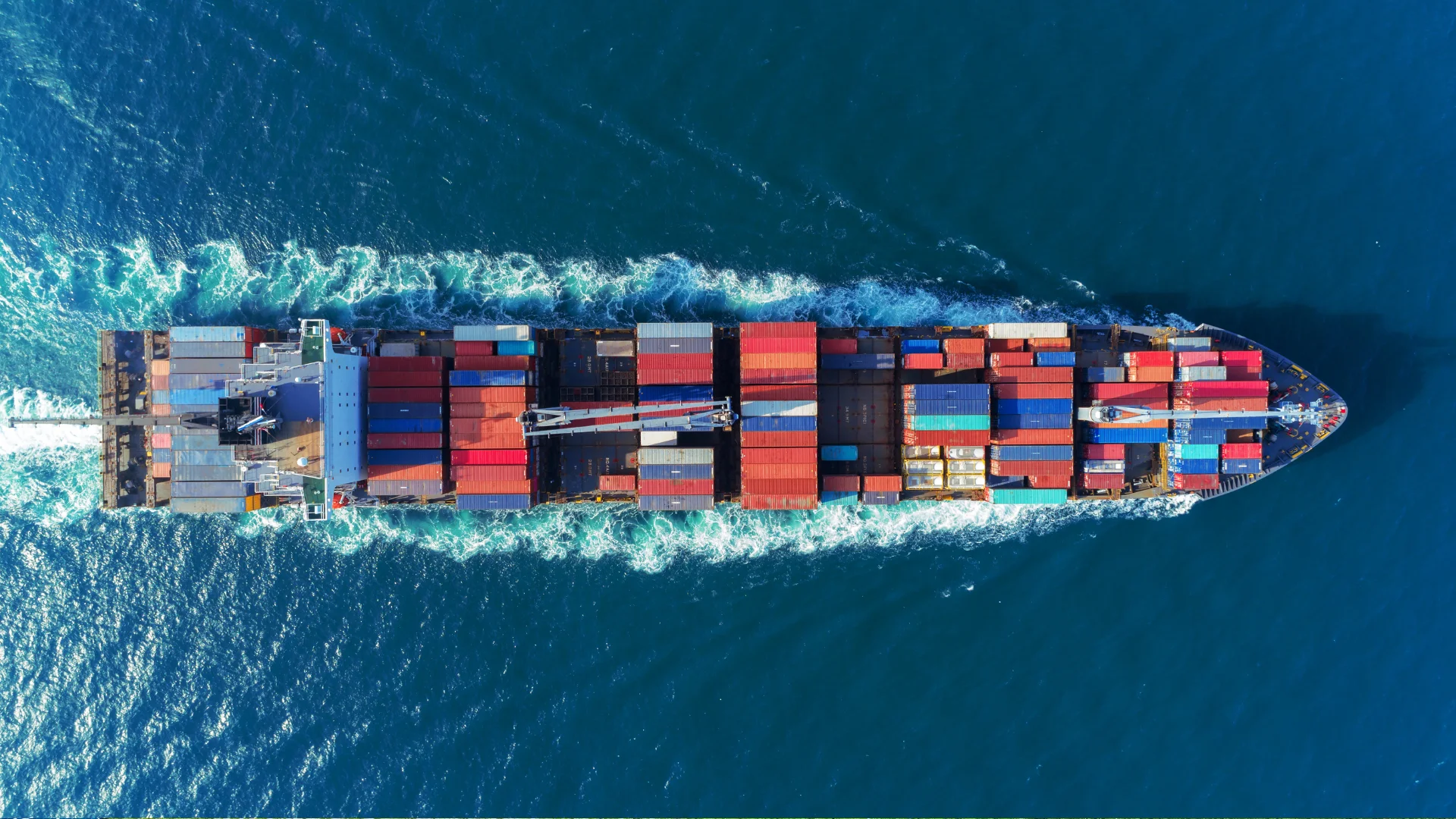
Looking ahead, the marine sector represents a massive opportunity for decarbonisation and investment. Shipping is now embracing change— to benefit from efficiencies provided by energy-saving technologies, also in light of increasing regulatory pressure. A range of electrification solutions are delivering very short investment paybacks (in many cases 2-3 years) for hybrid integration, based on fossil fuel displacement, peak shaving and other power efficiency applications. Carbon taxes and port penalties make the investment case even more compelling – noting the International Maritime Organization (IMO) recently set new targets (April 2025), aiming to reduce total greenhouse gas emissions from shipping by 50% by 2050.
Innovations in electrification (or hybrid electrification) plus synfuels, fuel cells or technologies such as ammonia-based fuels are set to revolutionise the sector – not just for long-haul shipping but for regional vessels including tugs, workboats, ferries, cruise ships, defence vessels and the wide array of other maritime vessels. As Europe leads the charge, with advancements in Asia not far behind, investments in sustainable shipping are expected to soar.
At Alexa Capital, we’re active placing capital in these sectors where innovation meets opportunity—around businesses that are driving decarbonisation to shape the green economy, and delivers solid investor returns.
